Negotiation Strategy: Pay on Terms
The video introduces and explains the "pay-on-terms" strategy in the context of supplier negotiations, detailing its definition as adhering to the contractually agreed-upon payment terms and illustrating its application through an example scenario in the ADA Platform.
Introduction to Payment Term Strategy Focus
- The video shifts its focus to the first payment term strategy for the supplier example, starting with the "pay-on-terms" strategy.
Info Button Functionality
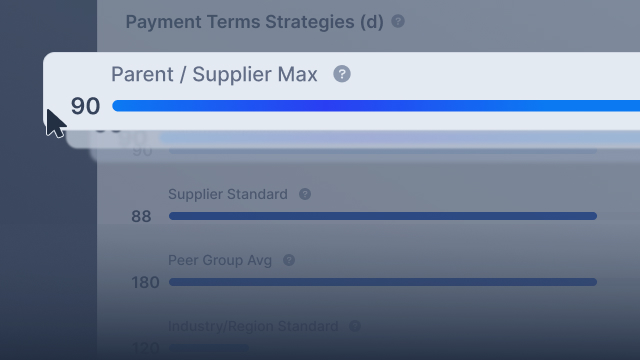
- Users are reminded that they can hover over the info button next to each strategy to access detailed definitions.
Pay-on-Terms Strategy Definition
- The "pay-on-terms" strategy involves paying the supplier based on the terms agreed upon in the contract.
Explanation of Strategy
- The video clarifies that, in practical terms, this means adhering to the previously agreed-upon contractual terms for payment.
Early Payment Scenario
- If a user is currently paying the supplier earlier than the agreed-upon terms, extending the payment to align with the original contractual terms falls under the "pay-on-terms" strategy.
Example Scenario
- An illustrative example is provided where, if the current payment is made on day 25 while the prior agreement was for 30 days, extending the payment to the agreed-upon 30 days demonstrates the utilization of the pay-on-terms strategy.
Strategy Benefit
- The benefit of employing the pay-on-terms strategy is highlighted, emphasizing the advantage gained by aligning with the initially agreed-upon contractual terms.
User Application
- The video concludes by indicating that applying this strategy involves extending the payment to match the terms agreed upon in the contract.
Educational Approach
- The video maintains an educational approach, providing practical insights into the application and benefits of the pay-on-terms strategy within the ADA Platform.
0:00 - This video, we will cover the first strategy in this supplier example, and that is pay-on-terms. As I mentioned in the previous overview on the strategies, you can hover over the info button next to each strategy show what the definition of the strategy is.
0:16 - Pay-on-terms is the strategy to pay the supplier on the terms as agreed upon in the contract. in other words, you are currently paying the supplier earlier than agreed upon, and just by extending to the previously agreed upon contractual terms, that strategy is called pay-on-terms.
0:33 - For example, if you're paying on day 25, but you previously have an agreement for 30-30,000, days, you're paying five days early.
0:40 - If you extend it up to 30 days, what was agreed upon previously, that would be taking advantage of the pay-on-term strategy.
Up next