Target Terms
The video introduces the concept of target terms, which are user-defined values saved as opportunities or targets on the ADA Platform
Understanding Target Terms:
- The video introduces the concept of target terms, which are user-defined values saved as opportunities or targets.
Opportunity Based on ADA Platform Analysis:
- Explains that the opportunity is derived from the platform's analysis.
- The highest strategy adjusted by harmonization determines the opportunity duration; for example, a strategy of 90 days results in a 90-day opportunity.
User Intervention for Customization:
- Acknowledges that users, particularly procurement managers, may have additional information or preferences.
- Users can add a target to customize the opportunity based on their specific knowledge or goals.
Adding and Adjusting Targets:
- Demonstrates the process of adding a target.
- Users can choose to apply the target to one or all spends.
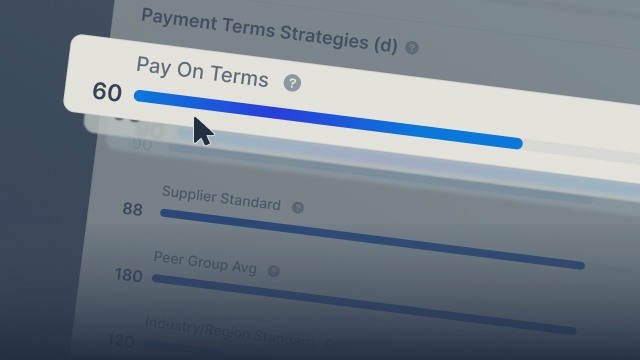
- Provides an example where a user decides that a 60-day target is more reasonable than the ADA Platform's default of 90 days.
Impact on Opportunity and Cash Flow:
- Explains that adjusting the target reloads the platform and changes the opportunity to 60 days.
- Emphasizes that this adjustment directly affects the cash flow opportunity displayed, both in terms of days and cash flow amount.
Program and Portfolio-Level Effects:
- Highlights that changes in opportunity and cash flow at the program level impact the overall portfolio.
- General opportunity metrics, both in days and cash flow, are influenced by the target at the supplier level.
Customization for Strategic Goals:
- Reinforces the idea that target terms allow users to align opportunities with their strategic goals.
- Users can fine-tune the opportunities based on their specific knowledge or desired outcomes.
Integration and User-Friendly Functionality:
- Describes how the adjustment of targets seamlessly integrates with the ADA Platform's functionalities.
- Changes made at the supplier level have cascading effects, ensuring consistency and relevance.
Conclusion and System Impact:
- Concludes by mentioning that user-defined targets not only impact individual spends but also have broader implications at the program and portfolio levels.
- Encourages users to leverage target terms for a more tailored and strategic approach to opportunity management.
0:01 - Now I'm gonna talk to you about the target terms. The target terms are what the user decides to save as the opportunity or as a target.
0:12 - Now the opportunity is based on the analysis of the platform. And it's the next the highest strategy adjusted by the harmonization In this case the highest strategy was 90 days that's why the opportunity is 90 days We have we might have some cases where the user or the procurement manager knows some
0:34 - information and might think that this opportunity might be too large or too low uhm versus what they want to try to achieve So in this case you could select to add a target and the target you can select here if there's more than one spend you can select if you're adding adding the target to one or all
0:58 - of the spends in this case I would say okay maybe the target would be more reasonable if I had it at six and I said okay this reloads the ADA Platform this change the opportunity to 60 and this affects directly the cash flow opportunity that is shown up here and it's it affects.
1:20 - Also at the program level the opportunity and the cash flow the opportunity in days and in cash flow that are shown at the portfolio level so this the the general opportunity is affected by the target at the supplier level You
Up next